

noble disciple : ค้นหาหนังสือธรรมะ หน้า 2 / 2
หน้าหนังสือทั้งหมด
54
Understanding the Origin of Suffering in Buddhism
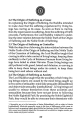
2.2 The Origin of Suffering as a Cause
In explaining the Origin of Suffering, the Buddha intended to make clear that the suffering experienced by living beings has craving as its cause. As soon as the
In this examination of the Buddha's teachings, the Origin of Suffering is explained as being rooted in craving, which leads to a cycle of suffering. The relationship between the Origin of Suffering an
59
Understanding the Noble Truths of Suffering
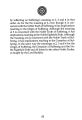
by reflecting on Suffering's meaning at 2, 3 and 4 in that
order. As for the the meaning at 2, even though it is con-
cerned with the Noble Truth of Suffering, it has implications
reaching to the Orig
The text reflects on the meanings of Suffering within Buddhism, particularly its Noble Truths. It discusses how the meanings related to Suffering connect with the Origin, Cessation, and the Noble Eigh
200
The Middle Way and the Four Noble Truths
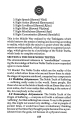
3. Right Speech [Sammā Vācā]
4. Right Action [Sammā Kammanta]
5. Right Livelihood [Sammā Ājīva]
6. Right Effort [Sammā Vāyāma]
7. Right Mindfulness [Sammā Sati]
8. Right Concentration [Sammā Samādhi]
This text discusses the Middle Way as taught by the Tathāgata, emphasizing the importance of Right Speech, Action, Livelihood, Effort, Mindfulness, and Concentration as a means to attain insight and e
59
Understanding Dhamma and Nibbāna
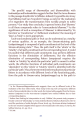
…t of ‘dhammakāya’ as ‘transcendental dhamma’ (lokuttara dhamma) in order to avoid the preclusion of noble disciples of lower levels, e.g., the stream-attainer (sotāpanna) to the non-returner (anāgāmi) which appear …
…ding the sotāpanna and anāgāmi. This comprehensive approach aims to integrate the teachings for all noble disciples without exclusion. For more insights, visit dmc.tv.
68
Dhammakāya and Noble Disciples
VI. Reference 3: Dhammakāya and Noble Disciples
Besides the term’s relation to the Buddha and Paccekabuddhas, a Pāli canonical reference mentions …
In the context of Pāli texts, the term dhammakāya is linked to noble disciples as evidenced in the story of Gotamī, the great nun and Buddha's foster mother. As she approaches h…
72
Understanding the Levels of Dhammakāya and Noble Disciples
…ished, while the latter requires no further course. The Pāli canon distinguishes these two types of noble disciples by qualities they possess. The text enumerates the tenfold quality (dasa asekha-dhamma) that ident…
…ey are described differently. The practice of mindfulness further delineates these two groups among noble disciples. Traditional teachings provide deeper insights into the classifications of trainees, linking vario…
35
The Noble Eightfold Path for Successful Trainers
CHAPTER 4
BEGINNING TO BE A SUCCESSFUL TRAINER
THE NOBLE EIGHTFOLD PATH
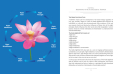
A definitive master plan for development of all human beings regardless of race, age, sexuality, religion or creed, the Noble E
This chapter outlines the Noble Eightfold Path as an essential framework for trainers committed to personal and professional development. Each of the eight principles—right view, thought, speech, acti
78
The Teachings of the Buddha
The Teachings of the Buddha
The Teachings of the Buddha are known as Dhamma, a Pali word for the Truth, the law of righteousness. In his first sermon the Buddha emphasized that one should live the Mi
The Teachings of the Buddha, known as Dhamma, emphasize the Middle Way, avoiding extremes of indulgence and self-mortification. Central to Buddha's teachings are the Four Noble Truths, which acknowled
26
The Noble Truths and the Path to Nirvana
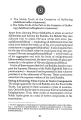
3. The Noble Truth of the Cessation of Suffering [dukkhanirodha ariyasacca];
4. The Noble Truth of the Path to the Cessation of Suffering [dukkhanirodhåkāmıni ariyasacca].
Apart from allowing Prince S
This text delves into the Four Noble Truths, emphasizing the cessation of suffering and the path leading to it. The Middle Way enables Prince Siddhattha to attain enlightenment and Nirvana while alive
42
The Noble Eightfold Path and the Factors of Enlightenment
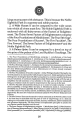
kings must accept with obeisance. This is because the Noble Eightfold Path is a supreme and noble practice.
2. A Wide Ocean: It can be compared to the wide ocean into which all rivers must flow. The
The Noble Eightfold Path is presented as a supreme practice in Buddhism, comparable to a vast ocean into which all rivers flow, embodying the essential Factors of Enlightenment. It comprises the Four
56
The Noble Eightfold Path and the Cessation of Suffering
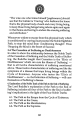
"The wise one who trains himself [yoĝāvācara] should see that the builder is ‘Craving’ who fashions the home that is the physical body of each and every living being, to keep those living beings being
This text delves into the teachings of the Buddha regarding the nature of craving as the cause of suffering and the means of escape through the Noble Eightfold Path. The concept of the 'Elixir of Deat
95
The Noble Truth of the Cessation of Suffering
The Noble Truth of the Cessation of Suffering
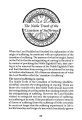
When the Lord Buddha had finished his explanation of the origin of suffering, he continued with an explanation of the cessation of suffering. The essence
This text explains the Buddha's teaching on the cessation of suffering, emphasizing the importance of extinguishing craving through the Noble Eightfold Path. It highlights that addressing the root of
134
The Importance of Meditation in Buddhism
Meditation is the focussing of the mind on a single object and abiding in a single mood without distraction or restlessness, or being caught up in external influences on mood. Meditation is thus of gr
Meditation is central to Buddhist practice, allowing individuals to focus the mind on a single object, leading to the cultivation of virtues and deeper levels of awareness. The attainment of the five
149
The Noble Eightfold Path on the Mundane Level
8
The Noble Eightfold Path
on the Mundane Level
Practising the Noble Eightfold Path is not just the duty of the saint or the monk striving for Nirvana — it is also a means by which the householder ca
Practicing the Noble Eightfold Path is essential for both monks and laypeople. It provides a framework for achieving happiness and societal harmony. This path consists of eight components, beginning w
201
The Noble Truths of Suffering and Cessation
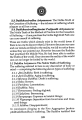
3.3 Dukkhanirodha Aryasacca: The Noble Truth of the Cessation of Suffering—the sickness of suffering which plagues us all has a cure;
3.4 Dukkanirodhagāminī Paṭipadā Aryasacca: The Noble Truth of the
The Noble Truths articulate the nature of suffering and its cessation. Dukkha encompasses various types of suffering including birth, aging, and death, as well as emotional pains like sorrow and disap
177
The Enlightenment of the Buddha’s First Disciple
The Enlightenment of the Buddha’s First Disciple
In preaching the Dhammackakapavattana Sutta, the Buddha revealed the Thirty-Seven Factors of Enlightenment [bodhipakkhiyadhamma], the Cycle of Depende
The Buddha, in the Dhammackakapavattana Sutta, introduced the Thirty-Seven Factors of Enlightenment, laying down the framework of the Four Noble Truths and the Cycle of Dependent Origination. Dhammaca
45
Understanding Dhamma and Spiritual Realization
…ed by dhamma (dhamma-nimmita).
41 See no. 1 of note 40.
While it is evident in the canon that some noble disciples could attain their noble state through a single hearing of the Buddha’s discourse without other pr…
This content discusses the process of spiritual attainment through dhamma, emphasizing four key activities that lead to the emergence of noble qualities. It highlights how listening to the Buddha's te
48
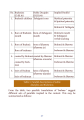
Brahmins and Noble Disciples: A Comparative Analysis
No. | Brahmins (D.III.81) | Noble Disciples (D.III.84) | Implied Parallel
---|------------------------|---------------------------|-----------…
The text presents a comparative analysis between Brahmins and Noble Disciples, highlighting their similarities in mythical and spiritual parental origins. It details how both a…
78
Understanding Dhammakāya in Early Theravādin Context
…upramundane level and being the same sort of quality/property/capacity shared by the Buddha and his noble disciples that distinguishes them from worldly people. The reference to dhammakāya in relation to Paccakabud…
This study analyzes the term dhammakāya through close readings of Pali canonical passages, revealing that it relates not only to the Buddha but also to other noble figures like Paccakabuddhas and disc

34
อริยสัจ 4 หรือ The Four Noble Truths
Dhamma TIME
คำศัพท์ภาษาอังกฤษที่รู้
ตอน อริยสัจ 4 หรือ The Four noble Truths
welcome to I like English รายการที่จะทำให้คุณชอบภาษาอังกฤษมากขึ้น
โดย นันทนัศภ์ ภาวนาภรณ์ (ชิน) & Aj. Sebastian Copija
ในรายการ I like English นันทนัศภ์ ภาวนาภรณ์ (ชิน) และ Aj. Sebastian Copija นำเสนอหัวข้ออริยสัจ 4 หรือ The Four Noble Truths ที่เป็นความจริงอันประเสริฐ 4 ประการซึ่งพระสัมมาสัมพุทธเจ้าเข้าใจในระหว่างการ